The Role of Luck in Gambling
Luck is a fundamental element in the realm of gambling. It is often described as the unpredictable force that can determine the outcome of a game, regardless of a player’s experience or strategy. In games of chance, such as slot machines or roulette, luck reigns supreme. Here, outcomes are solely dictated by random number generators or spinning wheels, making it near impossible for players to influence the result. Many players appreciate options like casino uk fast withdrawal to enjoy their winnings quickly. Thus, understanding the role of luck can help gamblers manage expectations and make more informed decisions at the gaming table.
In the short term, luck can lead to significant wins or heartbreaking losses. A player may experience a streak of good fortune, walking away with a substantial jackpot, while another may face a series of unfortunate bets. This unpredictability is what makes gambling enticing, as no player can ever fully predict when luck will be on their side. As such, recognizing that luck plays a crucial role can help gamblers mitigate the emotional highs and lows associated with gambling, allowing them to approach games with a more balanced perspective.
Moreover, luck can often overshadow skill, especially in games that rely heavily on chance. However, it’s essential to remember that luck can be a double-edged sword. While it can pave the way for big wins, it can also encourage reckless behavior among players, leading them to chase losses or gamble beyond their means. Understanding luck’s nature and implications is vital in fostering a healthier gambling approach, ensuring that players enjoy the thrill while remaining aware of the risks involved.
The Importance of Skill in Gambling
While luck plays a significant role, skill cannot be discounted in many gambling scenarios. Games like poker, blackjack, and sports betting demand a combination of strategy, knowledge, and experience. Players who invest time in understanding the rules, probabilities, and strategies associated with these games can significantly enhance their chances of winning. In poker, for instance, having a deep understanding of psychology and bluffing can often shift the odds in a player’s favor, showcasing how skill can intertwine with luck to create a winning formula.
Skillful players also understand the concept of bankroll management, allowing them to make the most of their time spent gambling. By setting limits and adhering to them, skilled gamblers can maximize their playtime and potentially their profits. This strategic approach enables them to take calculated risks rather than relying solely on the whims of fate. By blending skill with sound financial practices, players can improve their overall gambling experience, reducing the adverse effects that can arise from random luck.
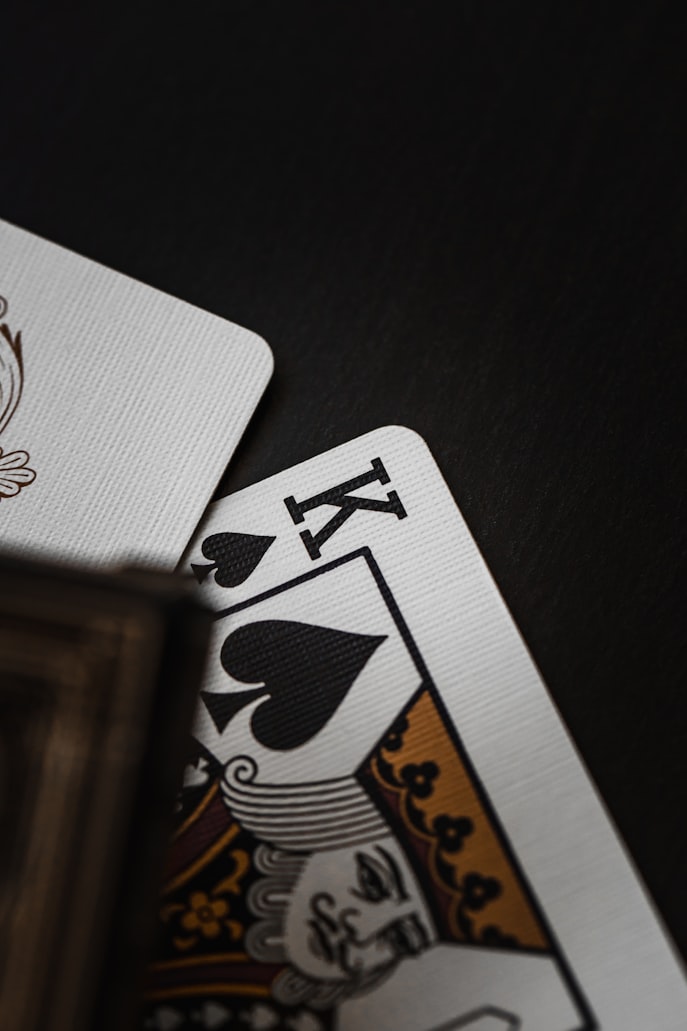
Furthermore, the distinction between luck and skill becomes particularly evident when examining win rates over the long term. While luck may favor a player in the short run, skilled players often emerge victorious over extended periods. They can devise strategies that capitalize on their knowledge of the game and the tendencies of their opponents. This long-term advantage illustrates the importance of skill in gambling, demonstrating that while luck has its place, mastery of the game often yields more consistent results.
How Luck and Skill Coexist
The relationship between luck and skill is a complex one, with both elements playing crucial roles in gambling outcomes. In many games, skill can optimize the impact of luck. For instance, a skilled poker player may encounter fortunate cards that align perfectly with their strategy, leading to a winning hand. Conversely, even the most skilled player can find themselves on the losing end due to a stroke of bad luck. This delicate balance highlights the necessity for gamblers to embrace both concepts in their gaming experience.
Moreover, many gambling enthusiasts recognize that while luck may initiate a win or loss, it’s skill that allows players to sustain their successes. Understanding odds, improving gameplay techniques, and reading opponents are skills that can significantly influence the gambling journey. By acquiring these skills, players can enhance their ability to navigate both favorable and unfavorable situations, which further illustrates how luck and skill are intertwined in the gambling landscape.
This coexistence also manifests in the psychological aspects of gambling. Skilled players often cultivate a mindset that allows them to view luck as a temporary factor rather than a defining element of their gaming experience. They learn to accept losses gracefully and remain focused on the skillful strategies they have honed over time. This mentality can not only improve their chances of winning but also lead to a more enjoyable gambling experience. Understanding this coexistence can enhance a player’s perspective, leading them to appreciate both the excitement of chance and the mastery of skill.
The Influence of Psychology on Gambling
The interplay between luck and skill is also influenced by the psychological aspects of gambling. A player’s mindset can significantly impact how they approach both elements, influencing their decision-making and ultimately their success. Those who attribute their wins to luck may be less likely to engage in skill development, whereas players who recognize the importance of their strategic abilities are more likely to commit to improving their skills. This psychological differentiation can create a divide between casual players and those seeking to excel in gambling.

Additionally, the psychological phenomena known as “chasing losses” can affect a gambler’s relationship with luck. When players experience bad luck, they might become overly focused on trying to recoup their losses, leading to impulsive decisions that can diminish their overall skill. Recognizing this behavior is crucial, as it can skew a player’s perception of both luck and skill. Developing a strong psychological framework can enable players to remain grounded and focused on their strategies, rather than getting swept away by the emotional tide of luck.
Furthermore, the concept of variance plays a significant role in the psychology of gambling. Variance refers to the fluctuations in a player’s results due to luck, and understanding how it affects outcomes can help players maintain a healthy mindset. Skilled players often have a better grasp of variance, allowing them to ride out losing streaks or capitalize on winning ones without losing sight of their overarching strategies. This comprehension fosters resilience, encouraging players to refine their skills while acknowledging that luck is an inherent part of the gambling experience.
Conclusion: Embracing both Luck and Skill
Understanding how luck and skill intertwine in gambling is essential for anyone seeking to engage in this thrilling pastime. Both elements play significant roles in shaping outcomes, and recognizing their individual contributions can lead to a more balanced and informed approach. By embracing the unpredictable nature of luck while honing their skills, players can enhance their overall gaming experience, transforming it from mere chance into a more calculated endeavor.
Moreover, the ability to navigate the intricate relationship between luck and skill can empower players to make educated decisions while gambling. Acknowledging the importance of strategic thinking and the value of skill can lead to better outcomes, improving the potential for long-term success. Ultimately, the journey of a gambler is not just about the immediate thrill of winning or losing, but about continually learning, refining one’s skills, and understanding the role that luck plays in the game.
Whether you’re a novice or an experienced player, grasping the interplay of luck and skill can elevate your gambling experience. As you explore various games, remember that mastering the intricacies of skill while accepting the whims of luck can lead to not only potential rewards but also an enriching and entertaining journey through the captivating world of gambling.